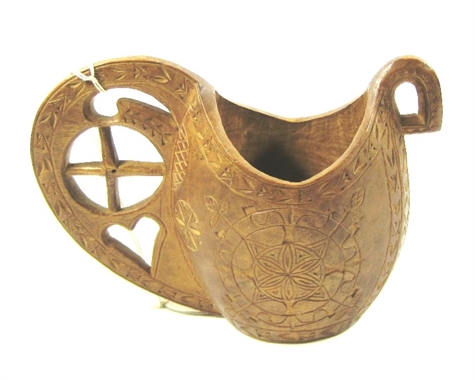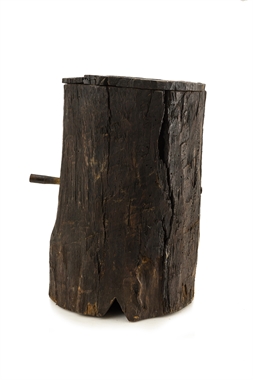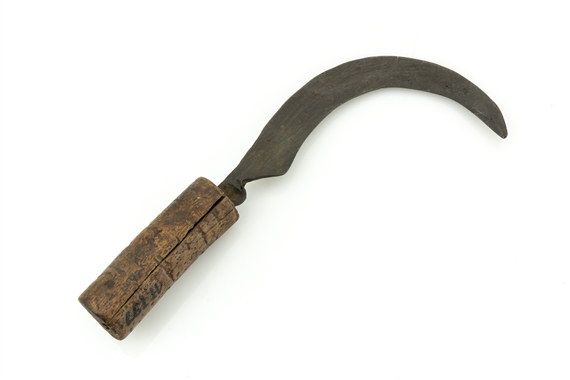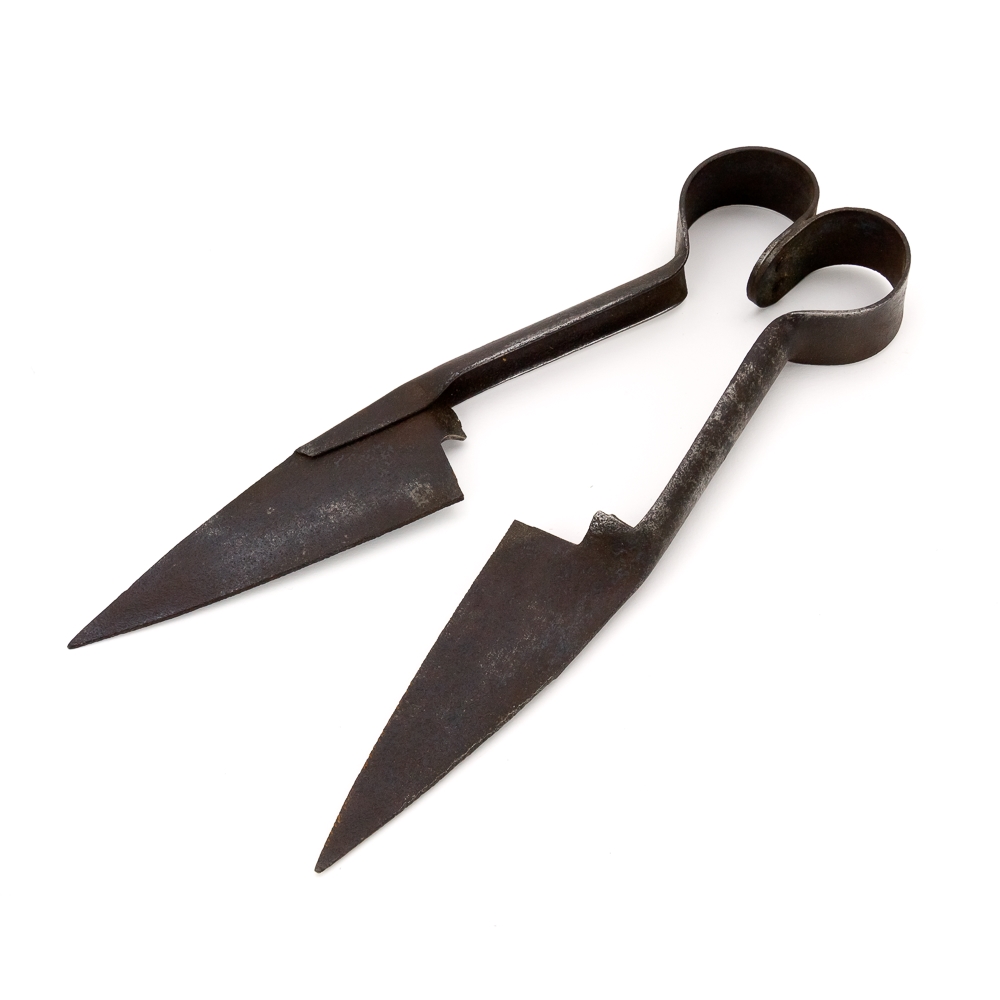
The core of the collection are the objects from the period from the mid-19th to the mid-20th century, but its forms reflect the ancient past of the basic traditional branches of economy. Today, it consists of around 2,000 objects. The material is thematically divided into the following units: gathering, beekeeping, hunting and fishing, agriculture, fruit growing and viticulture, livestock breeding, transport. Since 2013, the following objects have been added to this Collection: decorated wooden shepherd's cups, water jugs, and wooden vessels for bringing drinks to farmers. Gathering, as the simplest form of economy, is represented in the collection by wicker baskets and vessels made of bark for collecting forest fruits (berries, mushrooms, etc.). Livestock breeding is represented by wicker muzzles to prevent grazing, devices for restraining livestock, cowbells, vessels for processing milk, and other accessories. Along with agricultural tools (various types of hoes, sickles, scythes, blades for pruning and weeding), there are chests and containers carved from a single piece of wood or made of planks for storing grain and flour, as well as millstones for grinding. The collection also contains various forms of plowing tools: wooden ploughs (single-handled and with symmetrical ploughshare that throws the soil to both sides when plowing), plužice (with an asymmetrical ploughshare and a board that throws the soil to only one side when plowing) and ploughs (wooden and made of iron, two-handled with an asymmetrical ploughshare, board and cart). Viticulture and fruit growing are represented by containers for transporting grapes and wine (goat skins, wooden containers), grape presses, cellar equipment and containers, tools and equipment for cultivating vines and fruit trees, and devices for picking fruit. Of the three types of presses for squeezing fruit juice (known as "wine presses"), the Museum owns two: one with a horizontal beam and a weight on one side and a basket for fruit (grapes) on the other, and one with two vertical, parallel beams and a horizontal beam with a wooden screw on top. In parts of Croatia where conditions were favorable, fishing developed as a primary or complementary branch of the economy. This part of the Collection contains tools for sea and freshwater fishing (a wooden boat, hooks, spears, nets, lighting for night fishing, wicker traps, or woven traps). In addition to tools and accessories for sea fishing, the Mediterranean economic culture is also illustrated by objects related to the cultivation of olives and the production of olive oil (millstones, troughs, wooden vessels for sedimentation, stone vessels for storing oil). There are also objects that represent branches that can be considered complementary to the basic forms of economy (mainly agriculture and livestock farming), such as beekeeping (beehives hollowed out in a piece of wooden trunk, woven from wicker or straw, made of boards and beekeeping equipment) and hunting (traps).
We use cookies to track visits to our pages (Google Analytics) for the purpose of improving the pages. The statistics are collected anonymously, and by accepting, you agree to the use of cookies. Find out more